



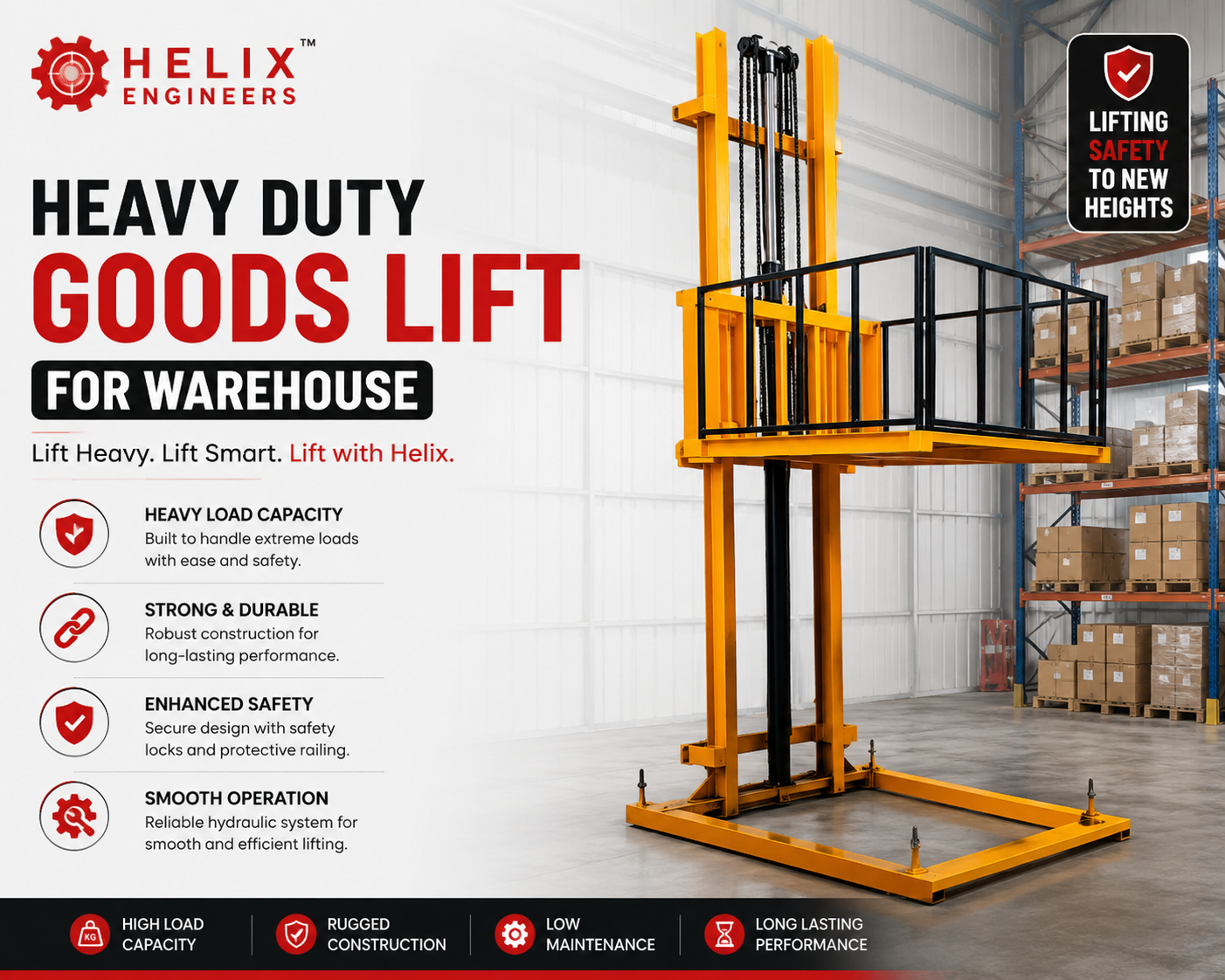
Modern warehouses are no longer just storage spaces; they are high-speed, high-density logistics hubs where every minute and every square foot matters. To keep up with growing order volumes, SKUs, and customer expectations, material movement between floors and levels must be fast, safe, and reliable. A heavy duty goods lift has become a core element of this infrastructure, not a luxury add-on.
A heavy duty goods lift (also called a freight elevator or cargo lift) is a vertical lifting system designed specifically to transport heavy materials, pallets, trolleys, and bulky loads between different levels of a warehouse or industrial building. Unlike passenger lifts, these systems focus on load capacity, rugged construction, and easy loading/unloading. They can be hydraulic, mechanical, or chain-driven, with capacities typically starting from around 1 ton and going up to several tons.
A heavy duty goods lift provides a dedicated, controlled route for vertical material movement. Pallets, roll cages, bins, and stacked cartons can be loaded at one level and delivered directly to another without intermediate handling. This achieves:
For warehouses with mezzanine floors or multi-level layouts, the lift essentially becomes the “backbone” connecting all levels.
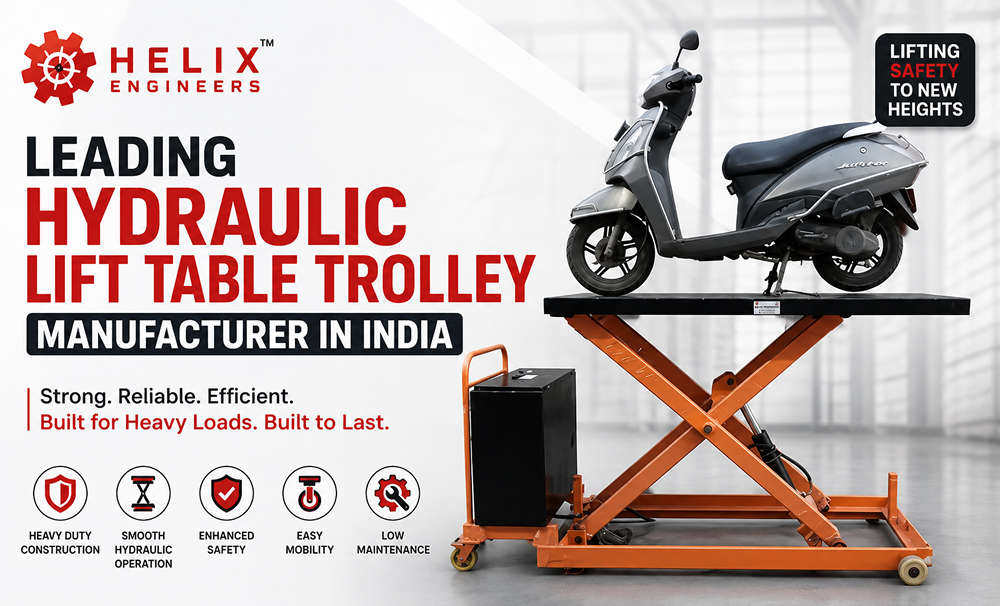
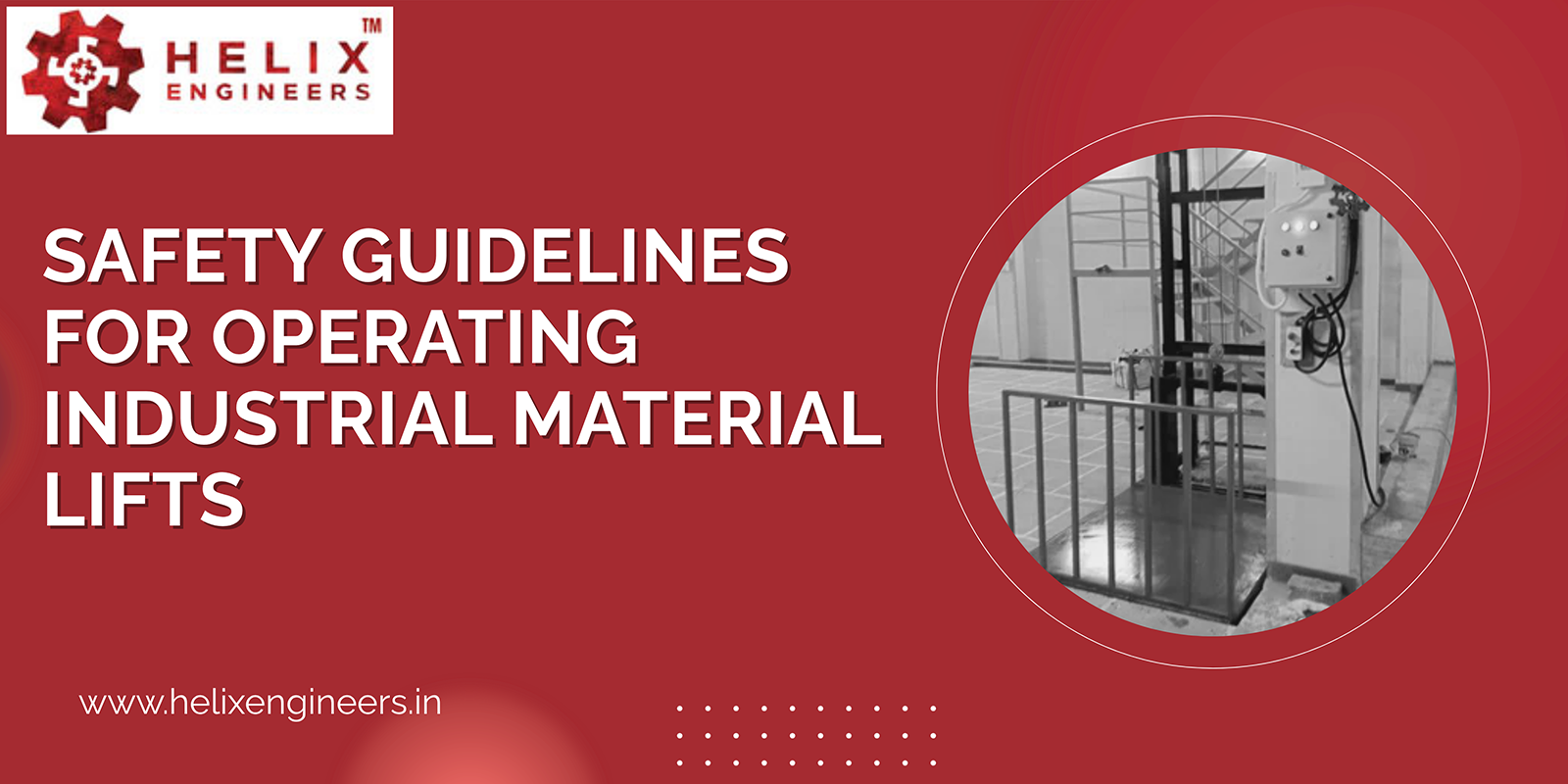
Selecting the right goods lift is a critical decision that directly impacts productivity, safety, and operational efficiency. Heavy-duty goods lifts offer a dependable solution to the logistical complexities of modern vertical layouts. By considering factors such as load capacity, structural safety features, and manufacturer customizations, warehouses can invest in structural infrastructure that delivers long-term productivity gains and reliable performance.
If you are looking to secure a robust and performance-tested heavy duty goods lift for your workspace, get in touch with our tech experts today to explore high-capacity vertical lifting models built for your operations.